u/adrianeffein r/rust • Recommends
On “How do you log your applications?”
To add to this, Jon Gjengset has a great video on YouTube about it.
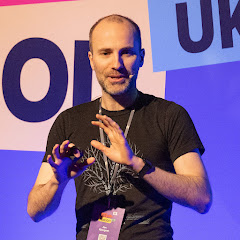
111K subscribers • 38 videos on Hallway
Advanced. Deep dive for people who know the field.
78K views2 years ago4 recommendations
Programming languagesSystems programmingRustObservability and monitoringConcurrency and parallelism
Jon Gjengset explores the internals, structure, and mechanisms of the Tokio tracing crate, covering spans, events, and subscribers.
In this stream, we peel back the crust on the tracing crate — github.com/tokio-rs/tracing/ — and explore its interface, structure, and mechanisms. We talk about spans, events, their attributes and fields, and how to think about them in async code. We also dig into into what subscribers are, how they pick up events, and how you can construct your own subscribers through the layer abstraction. For more details about tracing, see docs.rs/tracing/latest/tracing/. Introduction Spans and events Spans across thread boundaries Spans in async context Making format subscriber print span enter/exits Compatibility with log Event and span targets The Subscriber trait tracing-subscriber and the fmt subscriber Blocking in Subscribers The Layer abstraction Dispatch Per-layer filtering Changing subscriber during runtime Getting from the current subscriber to a layer Do subscribers have layers? Choosing logging levels tracing for logging vs debugging Moving from console logging to TUI logging at runtime Other tracing-related crates Live version with chat: youtube.com/live/2tm2zH-ECVwWhat people say. Recommended as a definitive deep dive into how the Rust tracing crate works and how to use it in async code.
u/adrianeffein r/rust • Recommends
On “How do you log your applications?”
u/Dreaming_Desiresin r/rust • Recommends
On “Tracing and spans”
u/knudtsyin r/programming • Recommends
On “On OpenTelemetry and the value of Standards”
u/murlakatamenkain r/rust • Recommends
On “How do you log your applications?”